
What is Integrated Production?
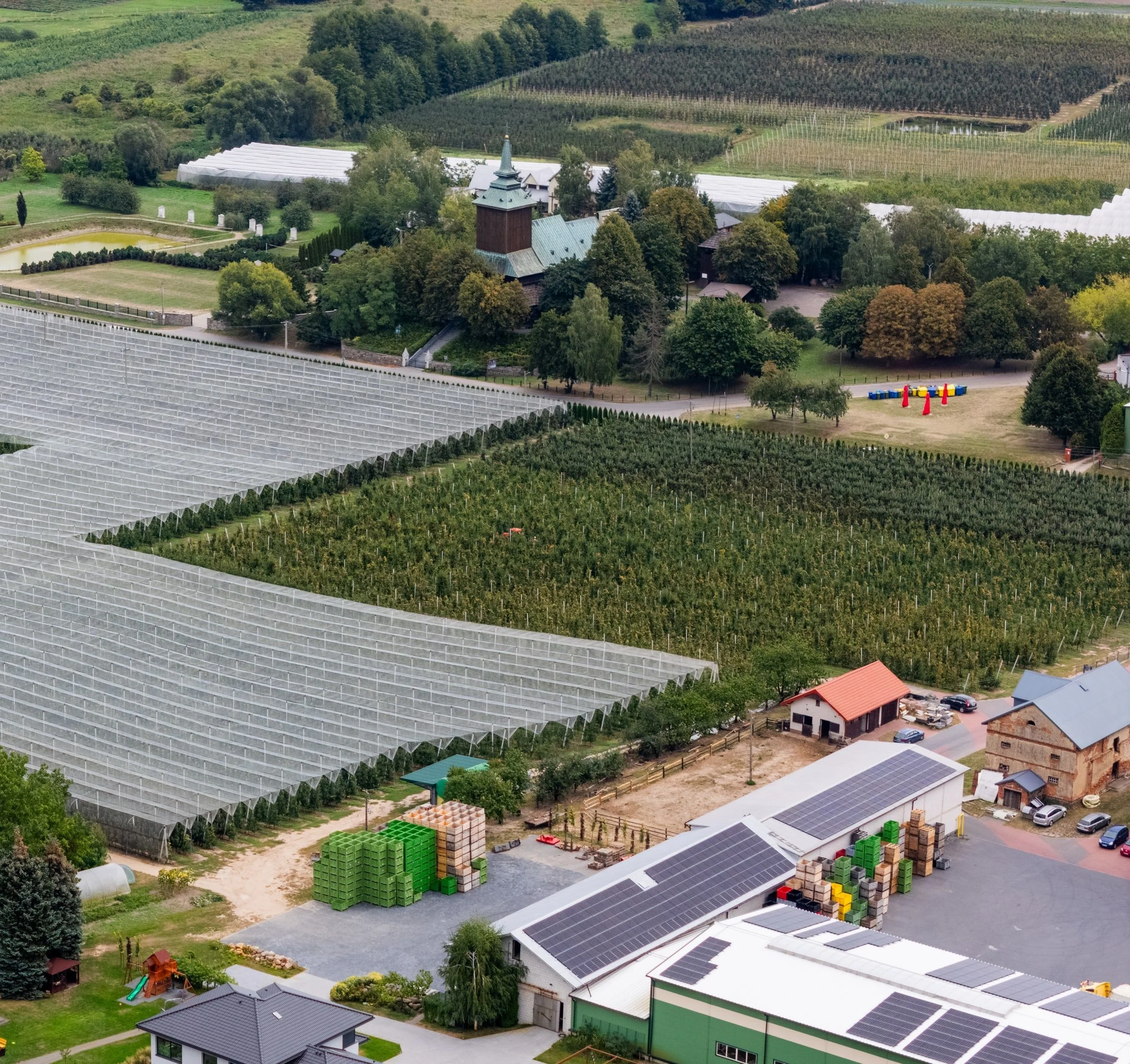
Integrated Production (IP) is a way of growing crops that combines good farming practice with up-to-date science on cultivation, fertilising and plant protection. Natural and biological methods come first, and plant protection products are used only when they are needed.
What Integrated Production means
The goal of IP is fruit that is safe to eat and grown with as little impact on people, animals and the environment as possible.
It is based on these principles:
- fertilising based on what the plants actually need, as shown by soil or leaf analysis
- plant protection chosen to cause the least harm, with biological methods used first wherever they are available
- chemical treatments only when a pest or disease has reached a level that justifies them
How it works
Growers who join the system must:
- complete official IP training and hold a training certificate
- register with a certification body every year (for orchards, by 1 March)
- protect their crops with natural methods first, using chemical treatments only as a last resort
- check the orchard regularly for pests and diseases
- use only approved products, at the correct dose and with the correct interval before harvest
- keep detailed records of their treatments
Who checks it
Certification bodies authorised and supervised by PIORiN carry out inspections and issue certificates. Inspectors check the grower’s training, whether the methodologies were followed, and hygiene protocols.
At least one in five registered producers has fruit samples tested in accredited laboratories for pesticide residues, nitrates, nitrites and heavy metals. Growers suspected of not following the rules are tested first. The certification body issues a certificate only if every requirement is met and no pesticide limit is exceeded. The certificate lasts only as long as it takes to sell that harvest, and never longer than 12 months, so growers have to be assessed every year.
What it means for buyers
The IP certificate is official confirmation that the fruit was grown under strict conditions and checked for residues. It helps producers meet food safety requirements, and makes traceability easier.