
Why is premium fruit one of the fastest growing categories in retail?
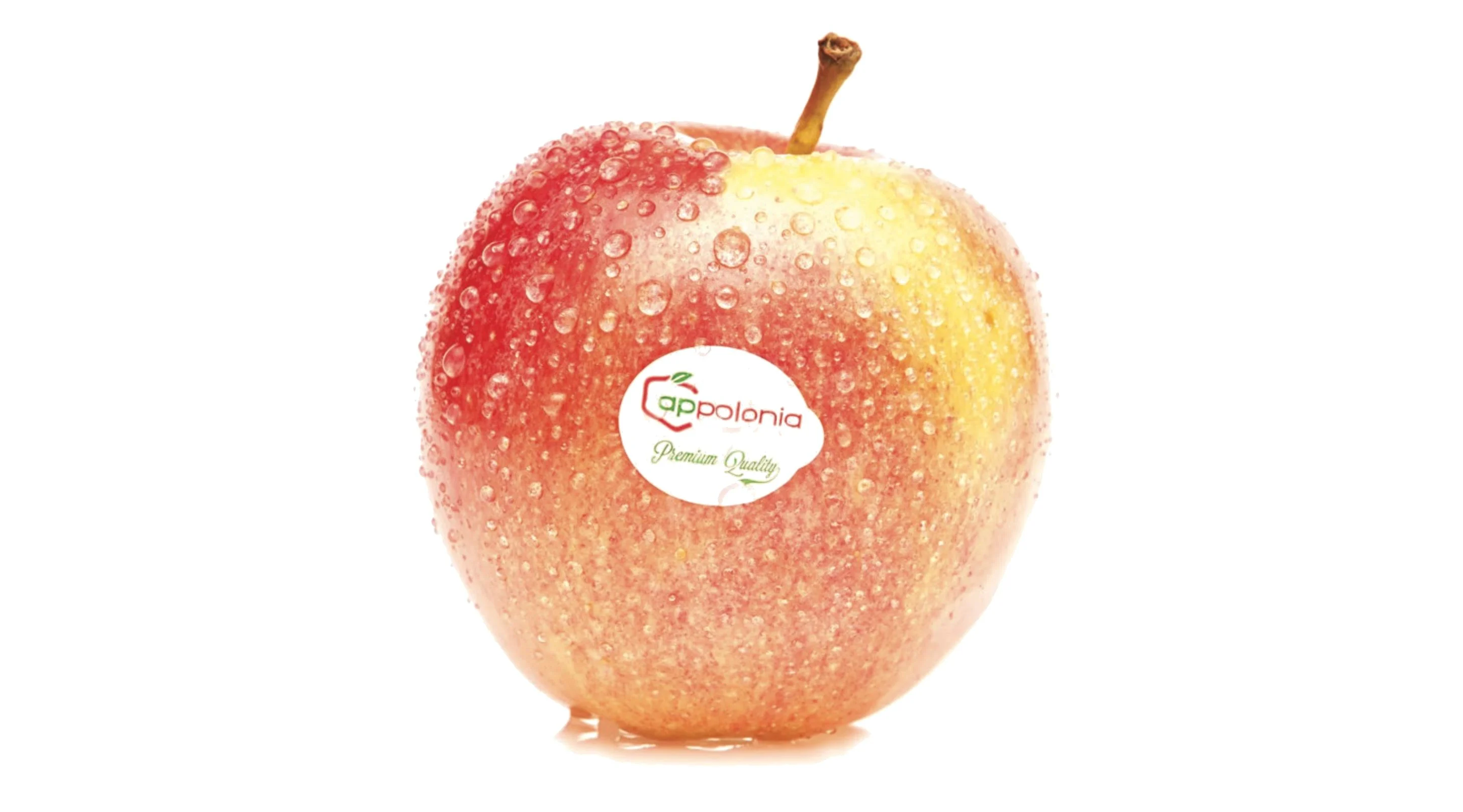
Across fresh produce markets worldwide, sales value is growing faster than volume, driven by higher prices and a shift towards premium products.1 For retailers, growth increasingly depends on selling higher-value fruit, such as blueberries and premium apples.
How fast is premium branded fruit growing?
Premium branded apples show the trend clearly. According to T&G Global, the global premium branded apple category is forecast to reach US$52.7 billion by 2035, growing by 7.6% a year.2 Forecasts for the fresh apple market as a whole are closer to 3% a year.3 This suggests that many shoppers are willing to pay more for fruit they can rely on.
Demand for quality is especially strong in Asia. In China, shoppers show a greater willingness to pay a premium for quality imported produce, and only 28% report price stress, compared with 53% in Australia.4
Why are suppliers moving from price to value?
Suppliers are changing too. They are showing retailers that fruit can offer more than a low price and dependable volumes, and they are moving towards conversations about value.
Premium fruit brands meet a clear consumer need and offer a point of difference, such as:
- flavour and sweetness
- consistent quality
- nutrition
- sustainability
Is fibre the next protein?
High protein has been one of the main food trends of recent years. Fibre looks set to be next. Posts tagged #fibremaxxing have been viewed 150 million times on TikTok,5 and PepsiCo’s chief executive has said fibre will be “the next protein”.6
Most people still do not eat enough of it. Adults in Europe eat 18–24g of fibre a day on average,7 below the 25g a day that the European Food Safety Authority considers adequate for adults.8 Fibre feeds the healthy bacteria in the gut, and the gut microbiome is linked to our wider health and wellbeing.
Many nutritionists now encourage people to eat 30 different plants a week. The idea comes from the American Gut Project, which found that people who ate more than 30 types of plant a week had more diverse gut bacteria than those who ate 10 or fewer.9 Fruit such as apples, pears and blueberries is an easy way for shoppers to add variety.
How are GLP-1 medicines changing shopping habits?
GLP-1 medicines, prescribed for type 2 diabetes and weight loss, are changing how people eat and shop. In Europe, nearly 2% of adults use them so far,10 and users already shop differently. In Italy, GLP-1 users spent about €152 on fruit and vegetables over six months, compared with about €115 among people who were considering starting the medicines.11
For these shoppers, the value of fruit lies in:
- satiety: feeling full for longer
- nutrient density: more nutrition per calorie
- convenience: easy to eat on the go
We expect this to increase demand for pre-cut fruit as well as whole fruit.
What does this mean for retailers?
For retailers, premium fruit is a chance to grow the category through value rather than price alone. Consistent quality, clear nutrition information and packaging suited to snacking can all help to attract new shoppers and keep existing ones.
How can Appolonia help?
Appolonia supplies Polish apples, pears and blueberries graded and packed to our customers’ requirements, including private label. If you would like to discuss premium fruit for your market, please get in touch.
References
- International Fresh Produce Association (IFPA), “2026 Global Fresh Produce & Floral Market Trends”. https://www.freshproduce.com/resources/consumer-trends/2026-global-fresh-produce-floral-market-trends/
- T&G Global, “Premium apple demand underpins positive T&G Global result”, 2026. https://tandg.global/premium-apple-demand-underpins-positive-tg-global-result/
- Spherical Insights, “Global Fresh Apple Market: Statistics Report Till 2035”, April 2026. https://www.sphericalinsights.com/blogs/top-25-companies-in-global-fresh-apple-market-statistics-report-till-2035
- FreshFruitPortal, “5 global shopping trends shaping the produce business in 2026”, Circana and IFPA data, 15 December 2025. https://www.freshfruitportal.com/news/2025/12/15/produce-global-trends/
- FoodNavigator-USA, “How fibre went from forgotten nutrient to consumer obsession”, 21 April 2026. https://www.foodnavigator-usa.com/Article/2026/04/21/fibreboom-why-highfibre-foods-are-the-next-megatrend/
- CNN Business, “Protein is so last year. Why fiber is the next big thing”, 25 January 2026. https://abc17news.com/money/cnn-business-consumer/2026/01/25/protein-is-so-last-year-why-fiber-is-the-next-big-thing/
- McKeown N.M. et al. (2022), “Fibre intake for optimal health: how can healthcare professionals support people to reach dietary recommendations?”, BMJ 378: e054370. https://doi.org/10.1136/bmj-2020-054370
- EFSA Panel on Dietetic Products, Nutrition and Allergies (2010), “Scientific Opinion on Dietary Reference Values for carbohydrates and dietary fibre”, EFSA Journal 8(3): 1462. https://doi.org/10.2903/j.efsa.2010.1462
- McDonald D. et al. (2018), “American Gut: an open platform for citizen science microbiome research”, mSystems 3: e00031-18. https://doi.org/10.1128/mSystems.00031-18
- Food Ingredients First, “How GLP-1 weight loss drugs are shaping the future of European food demand”, ING research, 1 April 2026. https://www.foodingredientsfirst.com/news/glp1-drugs-food-demand-ing.html
- YouGov, “GLP-1 and weight-loss drugs: How fast-track health solutions are reshaping FMCG”, 18 June 2026. https://yougov.com/articles/54968-glp-1-and-weight-loss-drugs-how-fast-track-health-solutions-are-reshaping-fmcg